SEO and search tool alternatives, compared by type
Search engine optimisation software covers a surprising range of jobs: finding keywords, checking backlinks, auditing a site, tracking positions, optimising a draft against what already ranks, measuring local listings and watching competitors. Few teams use every module of the largest suites, which is why this category has more replacement guides than any other in our directory. This hub collects thirteen of them and shows how they relate.
The guides cover Semrush, Ahrefs, Moz Pro, SpyFu, Similarweb, Surfer SEO, BrightEdge, AccuRanker, Seobility, BuiltWith, BrightLocal, rankingCoach and Google Keyword Planner. Together they hold 610 entries sorted into ten types. Ubersuggest and Google Search Console each appear in eleven guides, Semrush, Moz Pro, SE Ranking, Conductor and Bing Webmaster Tools in ten, and Serpstat and Ahrefs in nine, so a handful of names dominate every shortlist.
All of it rests on public sources reviewed in November 2026. We did not test any tool and do not quote prices, keyword volumes or accuracy claims. Entries not confirmed in our search review are labelled that way and never offered as a top pick. Start from the product guide nearest to your current tool, or read our methodology first.
- Direct: 89 (22%)
- Budget: 38 (9%)
- Free: 14 (3%)
- Enterprise: 51 (12%)
- Open source: 49 (12%)
- Self-hosted: 23 (6%)
- Regional: 59 (14%)
- Built-in: 28 (7%)
- Adjacent: 40 (10%)
- DIY: 19 (5%)
SEO & Search Tools guides: pick the product you want to replace
The SEO tool category in short
SEO products fall into four families. Suites such as Semrush, Ahrefs and Moz Pro bundle research, audits, tracking and reporting. Specialists focus on one job: AccuRanker on rank tracking, Surfer SEO on content optimisation, BrightLocal on local listings and BuiltWith on technology profiling. Enterprise platforms like BrightEdge serve large sites. Finally, free first-party consoles from Google and Bing show your own data.
By type, direct alternatives are the biggest group (133), followed by regional options (87), enterprise-grade platforms (69), adjacent products (67), open-source projects (65), budget-friendly tools (57), built-in options (43), self-hosted software (31), DIY approaches (30) and free tools (28). The open-source count is large because rank trackers, crawlers and audit scripts are easy to publish as code.
Origins vary as well. Semrush comes from the United States, Ahrefs from Singapore, Similarweb from Israel, SE Ranking from the United Kingdom and Serpstat from Ukraine, while regional specialists such as Sistrix and Seobility target German-speaking users. Majestic ranks in our data show how prominent each domain is, from Google Search Console at 227 to AccuRanker at 68087, but a rank says nothing about product quality.
How to choose an SEO tool
List the weekly jobs first. If you check rankings and run an occasional audit, a tracker plus a crawler may beat a full suite. If you do competitor research, link building and paid search analysis together, a suite is the natural fit. Then test data on your own domain: compare each tool with Search Console on a sample of keywords and pages.
Think about who consumes the output. A solo consultant needs exports and a low entry cost, an agency needs white-label reports and client seats, and an in-house team at a large site needs crawling at scale, access control and business-intelligence connections. The enterprise-grade alternatives page and the budget-friendly alternatives page mark that boundary clearly, and the free consoles from Google and Bing give a baseline that costs nothing.
Consider market and language too, since global suites vary in local data. These criteria matter most:
- Scope: keywords, backlinks, audits, tracking, content or local, and how many you truly use.
- Markets: countries, languages and search engines beyond Google in the United States.
- Reporting: white-label exports and scheduled emails for agencies and clients.
- Limits: how plans count keywords, projects, users and history.
- Control: desktop or self-hosted tools keep data local but need upkeep.
- Vendor changes: ownership, rebrands and product retirements recorded in our status notes.
Why people leave their current SEO tool
Breadth against need is the first reason: a large suite may be oversized for a team that tracks rankings. Ownership changes are the second. Our data records Adobe completing its purchase of Semrush on 28 April 2026, and one status note says Surfer SEO was bought by Positive Group in October 2025. Neither means a product is closing, yet they prompt comparison. Local and language needs are the third reason, with Sistrix, Topvisor, Keys.so and Seobility serving specific markets.
Cost and limits are the fourth driver. Suites count keywords, projects and users differently, and a team that grows may find the plan it chose no longer fits. Teams then compare lower-cost suites such as SE Ranking and Serpstat, narrower trackers, or self-run tools like SerpBear. A fifth driver is the arrival of AI-search visibility tracking, which shows up in our data through Profound, Peec AI, Otterly and similar names in the BrightEdge guide.
About Semrush alternatives
Semrush, founded in 2008 in the United States, is a broad suite for SEO, paid search, content and AI visibility, and our data notes the Adobe purchase. Its guide lists 50 alternatives. Direct options include SE Ranking, Ahrefs, Moz Pro and Serpstat, budget tools include Ubersuggest and Mangools, and open-source choices include SerpBear. Read the Semrush alternatives guide for the full grouping.
About Ahrefs alternatives
Ahrefs was founded in 2010 in Singapore and is noted for backlink data, with no sale or rebrand found in 2026 and a purchase of Detailed.com in 2025. Its guide lists 50 alternatives, including SE Ranking, Semrush, Moz Pro and Serpstat as direct options, and Conductor, BrightEdge and seoClarity as enterprise-grade ones. Self-hosted choices include SEO PowerSuite. See the Ahrefs alternatives page for details.
About Moz Pro alternatives
Moz Pro, founded in 2004 in the United States, is known for the Domain Authority metric. Its guide lists 50 alternatives. Semrush, Ahrefs, SE Ranking, Mangools and Ubersuggest lead the direct group, Searchmetrics and Ahrefs Webmaster Tools appear as confirmed enterprise and free entries, and content tools such as Surfer and Clearscope are adjacent. Compare them on the Moz Pro alternatives page.
About SpyFu alternatives
SpyFu, founded in 2005, focuses on competitor keywords and advertising for SEO and paid search, and a review notes AI-search data added in 2026. Its guide lists 50 alternatives, with SE Ranking, Semrush, Ahrefs, Moz Pro and Serpstat as direct options and Ubersuggest, Mangools and Ranktracker as budget picks. Regional tools include SpyWords and Topvisor. The SpyFu alternatives guide has more.
About Similarweb alternatives
Similarweb, an Israeli company founded in 2007, is noted for competitor traffic data. Its guide lists 50 alternatives. Semrush, Ahrefs, SE Ranking, SpyFu and Ubersuggest are direct options, Google Trends and Ahrefs Webmaster Tools are free ones, and web analytics tools such as Matomo and Plausible appear as open-source entries not confirmed in our review. See the Similarweb alternatives page.
About Surfer SEO alternatives
Surfer SEO optimises content against the pages that already rank. Its guide lists 50 alternatives. Frase, PageOptimizer Pro, Scalenut, SE Ranking and Rankability are direct options, NeuronWriter and RightBlogger are budget picks, and Clearscope and MarketMuse are enterprise-grade. WordPress plugins such as AIOSEO and Rank Math are built-in. The Surfer SEO alternatives guide sorts them all.
About BrightEdge alternatives
BrightEdge is an enterprise SEO platform. Its guide lists 50 alternatives, with Conductor, seoClarity, Botify, Semrush and Ahrefs among 16 direct options, plus a distinctive adjacent group of AI-visibility tools: Profound, Peec AI, Otterly, Omnia and Scrunch. Budget names include SE Ranking and Mangools, though not confirmed in search. Browse the BrightEdge alternatives page for every group.
About AccuRanker alternatives
AccuRanker is a cloud rank tracker, and a release log in our data mentions 2026 launches including AccuRanker MCP and a Dynamic CTR model. Its guide lists 50 alternatives. SE Ranking, Semrush, Ahrefs, Moz Pro and Serpstat lead the direct group, Topvisor and Sistrix the regional one, and DIY routes include Python with a SERP API. See the AccuRanker alternatives page.
About Seobility alternatives
Seobility is a German audit and rank tool, and its guide lists 49 alternatives. SE Ranking, Moz Pro, SEO PowerSuite, Raven Tools and Sitechecker are direct options, Mangools is a budget pick, and Screaming Frog, Sitebulb and Netpeak Spider are adjacent crawlers. German-market options include Sistrix, Ryte and XOVI. Read the Seobility alternatives guide for the rest.
About BuiltWith alternatives
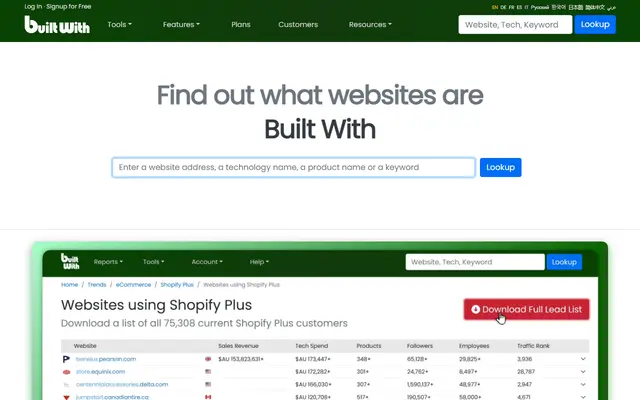
BuiltWith, founded in 2007, profiles the technologies websites use. Its guide lists 47 alternatives. Wappalyzer, SimilarTech, Datanyze, Hunter TechLookup and PredictLeads are direct options, and W3Techs, urlscan.io and Store Leads are adjacent. A large open-source group of 14 includes wappalyzer forks and scanners, with self-hosted tools like webanalyze. See the BuiltWith alternatives page.
About BrightLocal alternatives
BrightLocal serves local search work. Its guide lists 34 alternatives. Whitespark, Synup, Semrush Local and Search Atlas are direct options, Moz Local and Localo are budget picks, and Yext, Uberall, Birdeye, Reputation and Vendasta are enterprise-grade. Google Business Profile is the built-in option. Local Falcon covers geo-grid tracking. Open the BrightLocal alternatives guide for each type.
About rankingCoach alternatives
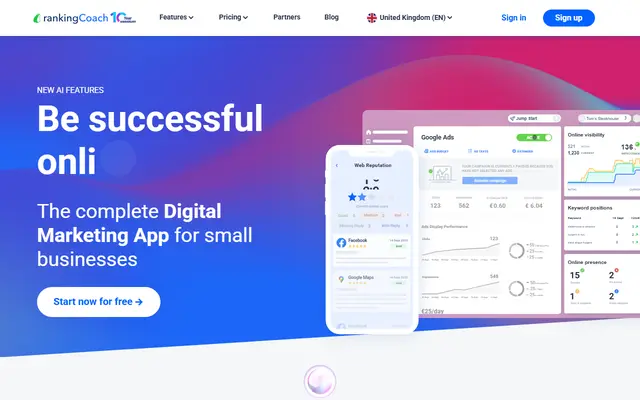
rankingCoach targets small businesses wanting guided SEO. Its guide lists 43 alternatives. SE Ranking, SEO PowerSuite, Sitechecker and Adaptify are direct options, Ubersuggest and Screpy are budget picks, and Semrush and Ahrefs are listed as enterprise-grade. Built-in options include Google Search Console, Rank Math and AIOSEO. Compare them on the rankingCoach alternatives page.
About Google Keyword Planner alternatives
Google Keyword Planner is the free keyword research tool inside Google Ads. Its guide lists 37 alternatives, and all of them were seen in our search review. Treat that page as a starting list all the same. Names include Keyword Tool, Ubersuggest, KWFinder, Keywords Everywhere, AnswerThePublic and regional tools such as Yandex Wordstat. See the Google Keyword Planner alternatives guide.
Tools that keep showing up across seo tools lists
When the same name appears in several alternatives lists, it is a useful signal that the tool is broadly relevant in this category. These are the names that appear most often across the 9 guides above:
- Semrush — listed in 7 guides
- Moz Pro — listed in 7 guides
- Ubersuggest — listed in 7 guides
- Conductor — listed in 7 guides
- BrightEdge — listed in 7 guides
- OpenSEO — listed in 7 guides
- Google Search Console — listed in 7 guides
- Bing Webmaster Tools — listed in 7 guides
- Search Atlas — listed in 6 guides
- SE Ranking — listed in 6 guides
- Sitechecker — listed in 6 guides
- Serpstat — listed in 6 guides
- Ahrefs — listed in 6 guides
- Sistrix — listed in 6 guides
- Topvisor — listed in 6 guides
- DataForSEO — listed in 5 guides
- Dragon Metrics — listed in 5 guides
- Advanced Web Ranking — listed in 5 guides
- Similarweb — listed in 5 guides
- seoClarity — listed in 5 guides
- SEOnaut — listed in 4 guides
- Screaming Frog SEO Spider — listed in 4 guides
- Keywords Everywhere — listed in 4 guides
- Keyword.com — listed in 4 guides
Browse seo tools alternatives by type
- Direct alternatives: 89 in this category. Products that solve the same core problem for the same kind of buyer. Switching usually means moving data and retraining people, not changing how you work.
- Budget-friendly alternatives: 38 in this category. Lower-cost tools that cover the essential jobs without the full feature surface. A good fit when you pay for seats or features you rarely open.
- Free options: 14 in this category. Tools with a free plan or free access that is usable on its own. Limits on volume, users or history usually apply, so check them before you commit.
- Enterprise-grade alternatives: 51 in this category. Platforms built for large teams: governance, audit trails, integrations and support contracts. They tend to cost more and take longer to roll out.
- Open-source alternatives: 49 in this category. Projects whose source code is public. You can inspect, modify and often self-host them, at the price of doing more of the maintenance yourself.
- Self-hosted alternatives: 23 in this category. Software you run on your own server or computer. You keep control of the data and the uptime, and you take on updates, backups and security.
- Regional and local alternatives: 59 in this category. Vendors that are strongest in a particular country or region: local languages, local payment methods, local data-residency rules and local support hours.
- Built-in features of platforms you already use: 28 in this category. Capabilities that already ship inside a suite or platform you pay for. They rarely match a specialist tool feature for feature, but they cost nothing extra.
- Adjacent tools: 40 in this category. Products that cover part of the job or approach it from another angle. Useful when you only need a slice of the original product.
- DIY and self-made approaches: 19 in this category. Spreadsheets, scripts and workflows you assemble yourself. Cheap and flexible for small needs, but they depend on whoever built them.
How the ten types apply to SEO
Direct alternatives replace the same workflow, budget tools such as Ubersuggest and Mangools trade depth for price, and enterprise platforms add scale and governance. Open-source and self-hosted options, including SerpBear, Serposcope and desktop crawlers, keep data under your control. Regional tools such as Sistrix, Topvisor and Keys.so fit local markets. Built-in consoles give first-party data, adjacent tools cover one neighbouring job, and DIY builds use SERP APIs. Compare them on the open-source and built-in hubs.
Pitfalls when switching SEO tools
Export position history before cancelling, because trackers cannot recreate the past. Expect numbers to differ between tools, since locations, devices and data sources vary, and note a baseline date in reports.
Do not run old and new tools only briefly. A full reporting cycle in parallel reveals differences in locations, devices and keyword sets before clients notice them. Also check that integrations with Search Console, Analytics and dashboards are rebuilt.
- Choosing on one impressive feature instead of the jobs you perform weekly.
- Comparing keyword volumes across tools as if they shared a source.
- Ignoring limits on keywords, projects and history in cheaper plans.
- Treating unconfirmed entries as safe without checking they still operate.
Frequently asked questions
What is the best free alternative to Semrush?
For your own site, Google Search Console and Bing Webmaster Tools are free first-party sources, and Ahrefs Webmaster Tools is listed as well. None provides competitor data in the way a paid suite does, so many teams combine them with a low-cost tool such as Ubersuggest or Mangools.
Which SEO tools are open source?
Our data lists OpenSEO, SerpBear, Serposcope, SEOnaut, advertools, Lighthouse and several crawler projects. They need technical setup and often a paid data source. They suit developers and technical SEOs more than agencies needing client-ready reports.
What are cheaper alternatives to Ahrefs?
Our Ahrefs guide names Ubersuggest, Mangools and Ranktracker as budget picks and SE Ranking and Serpstat as lower-cost direct suites. We do not list prices, so compare limits on keywords, projects and users as well as the headline fee.
Which tools replace Surfer SEO?
Frase, PageOptimizer Pro, Scalenut and Rankability are listed as direct options, NeuronWriter and RightBlogger as budget tools, and Clearscope and MarketMuse as enterprise-grade. WordPress plugins such as Rank Math and AIOSEO cover basic on-page guidance.
What can replace a rank tracker like AccuRanker?
SE Ranking, Semrush, Ahrefs and Moz Pro include position tracking, SerpBear and Serposcope are open-source trackers, and SEO PowerSuite stores data locally. Developers can build a tracker with a SERP API and a database.
Are there alternatives for local SEO?
Yes. The BrightLocal guide lists Whitespark, Synup, Semrush Local and Search Atlas as direct options, Moz Local and Localo as budget tools, and Yext, Uberall and Birdeye for larger operations. Google Business Profile is the free built-in route.
Which SEO tools suit German or Russian markets?
Sistrix, Seobility, Ryte and XOVI are German-market options, while Topvisor, Keys.so and Pixel Tools serve the Russian-language web. Some are not confirmed in our review, so verify current availability.
Do I still need Google Search Console with a paid tool?
Generally yes. Search Console reports first-party data about how Google shows your own site, while third-party tools estimate the rest. Many teams keep it as the reference point beside a paid suite.
Other categories
- CRM & Sales SoftwarePipeline management, customer records and sales automation.
- Lead Intelligence & ProspectingB2B contact data, enrichment, visitor identification and outreach.
- Email Marketing & DeliveryNewsletters, automation, transactional email and sending infrastructure.
- Marketing Analytics & TrackingWeb analytics, reporting dashboards, click-fraud protection and tag management.
- Social, Influencer & Affiliate MarketingSocial media management, influencer marketplaces and partner programs.
- Customer Support & MessagingHelp desks, shared inboxes, live chat and messaging platforms.
- IT Management & MonitoringService management, infrastructure monitoring, device management and remote access.
- Cloud, Hosting & InfrastructureVirtual servers, hosting providers, virtualization and edge networks.
- Payments, Spend & CryptoPayment processing, corporate cards, expense management and exchanges.
- Accounting & ERP SoftwareBookkeeping, invoicing and small-business ERP.
- HR & Global HiringHR information systems, employer-of-record and global payroll.
- Telephony, Video & CommunicationsCloud phone systems, contact centers, CPaaS and video hosting.
- Documents, Projects & ProductivityE-signature, proposals, project management, intranets and surveys.
- Data, Proxies & UtilitiesWeb data collection, proxy networks and system utilities.
- Everyday AlternativesAlternatives for fitness, cooking, car parts and legal streaming.
- Personal Finance & InvestingAlternatives to traditional student loans, investing platforms and credit scoring. General information only.